
- Ontario's Court of Appeal ruled that the province can legally let poker players compete against international opponents, potentially ending three years of isolation at provincial tables.
- The decision could revive Ontario's struggling poker market, which currently makes up just 2% of the province's online gaming revenue as players seek bigger games elsewhere.
TORONTO — Ontario's online poker players may soon find themselves competing against international rivals, following a landmark court ruling that could reshape the Canadian gaming landscape.
Court Delivers Split Decision
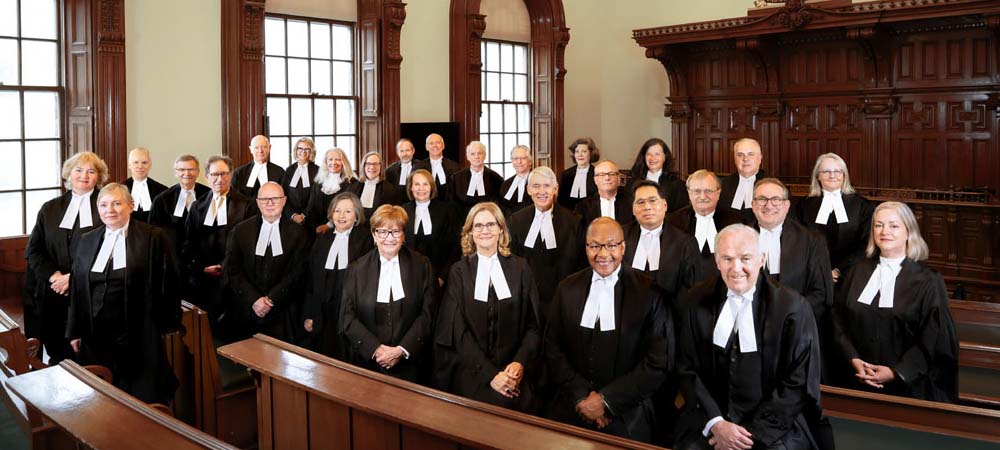
The Ontario Court of Appeal decided on Wednesday that the province may lawfully permit its gamblers to compete against players from other countries in peer-to-peer activities like daily fantasy sports and poker. The ruling was upheld by four out of five judges, who concluded Section 207(1)(a) of Canada’s Criminal Code does not violate federal law.
The decision resolves an issue that has troubled Ontario's regulated market since its creation in 2022. There are now fewer games and smaller prize pools than on international platforms because participants can only compete against other players in the province.
Major operators like DraftKings and FanDuel ended up having to completely discontinue their daily fantasy operations in Ontario due to this prohibition.
The numbers reveal a struggling poker landscape. With $1.7 billion wagered last year, poker now makes up barely 2% of Ontario's online gambling earnings. Many serious players have completely left the regulated sites in favor of international platforms where they can find real competition and significant action.
Implementation Faces Hurdles
The court's approval doesn't guarantee quick changes. Ontario still needs to keep tight control over any international arrangements. Major operators like PokerStars and GGPoker would need to work through regulatory requirements while keeping Ontario players on separate provincial platforms.
Joining the Multi-State Internet Gaming Agreement, which already links a number of states with poker, is one possibility. Earlier this year, gaming lawyer Jeff Ifrah stated that Ontario joining is definitely possible.
The decision may be appealed to the Supreme Court by the Canadian Lottery Coalition within 30 days. The association has expressed worries over the decision and represents gaming agencies from other jurisdictions.
Changes won't occur instantly, even in the absence of an appeal. The regulator in Ontario must decide which jurisdictions to collaborate with and draft new regulations. It could take months, and potentially years to start seeing a difference.
For now, Ontario's poker scene stays small and isolated. But Wednesday's ruling at least offers a potential path to bigger games down the road.